How an Oscar Winner Was Cut From Film Prints, and What to Steal From It
One Battle After Another was judged on a projector, not a laptop. Five practices from its edit that any digital editor can use tomorrow.
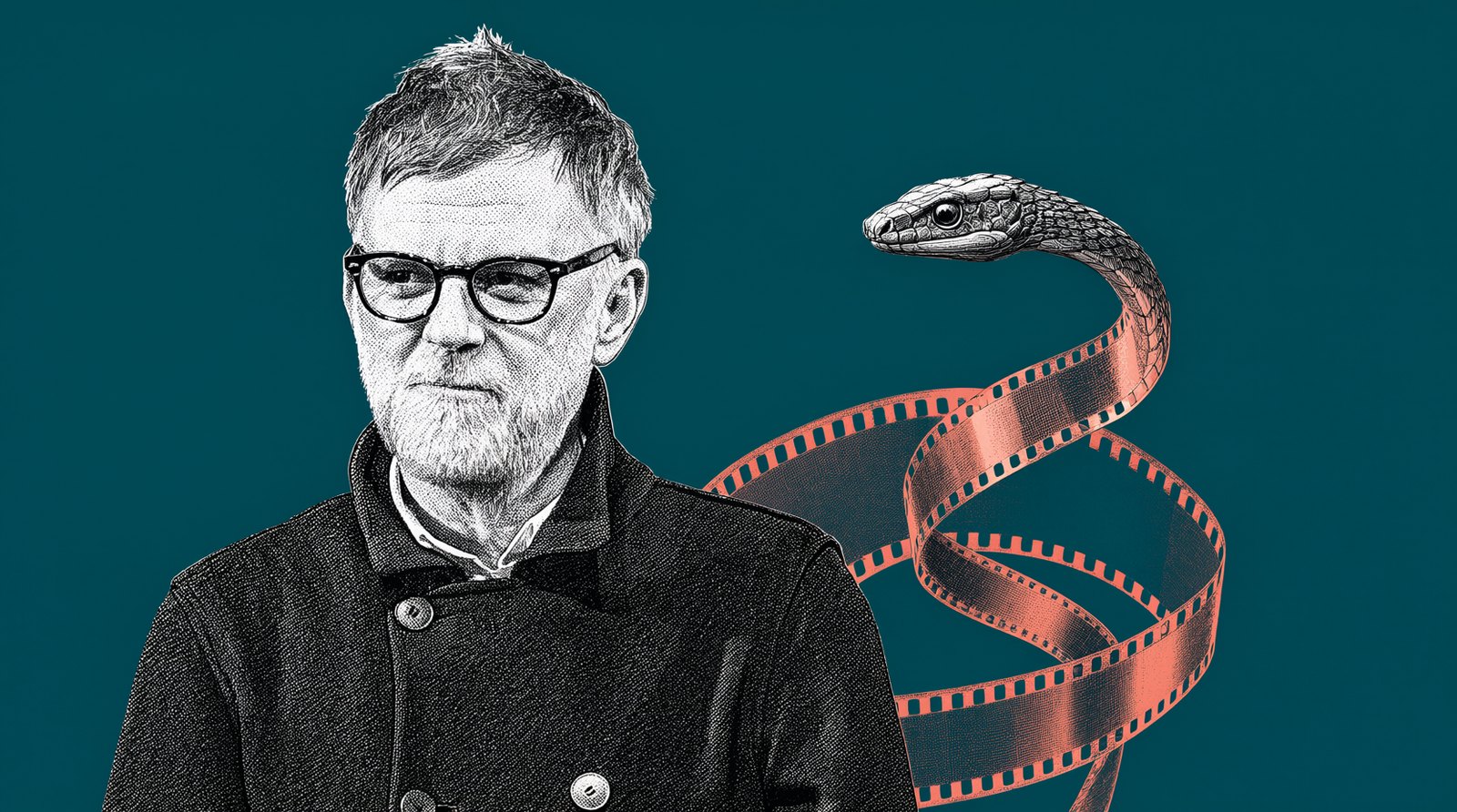
Cover illustration generated with AI for Fix It In Post. Portrait based on a photo by Raph_PH, CC BY 4.0, via Wikimedia Commons.
The film that won the 2026 Oscar for editing was judged, take by take, on a projector. One Battle After Another was cut on Avid like almost everything else, but its decisions were made in a dark room in front of film prints, with the director, the cinematographer and the crew watching together. That is not nostalgia. It is a decision-making method, and most of it works without a single foot of film.
Andy Jurgensen won Best Film Editing at the 98th Academy Awards in March 2026 for Paul Thomas Anderson's film. The most detailed account of how the cut was made is Steve Hullfish's Art of the Cut interview with Jurgensen and his assistants for Boris FX, first published in October 2025. Everything below about the workflow comes from that conversation; where we draw conclusions, they are ours.
What the workflow actually was
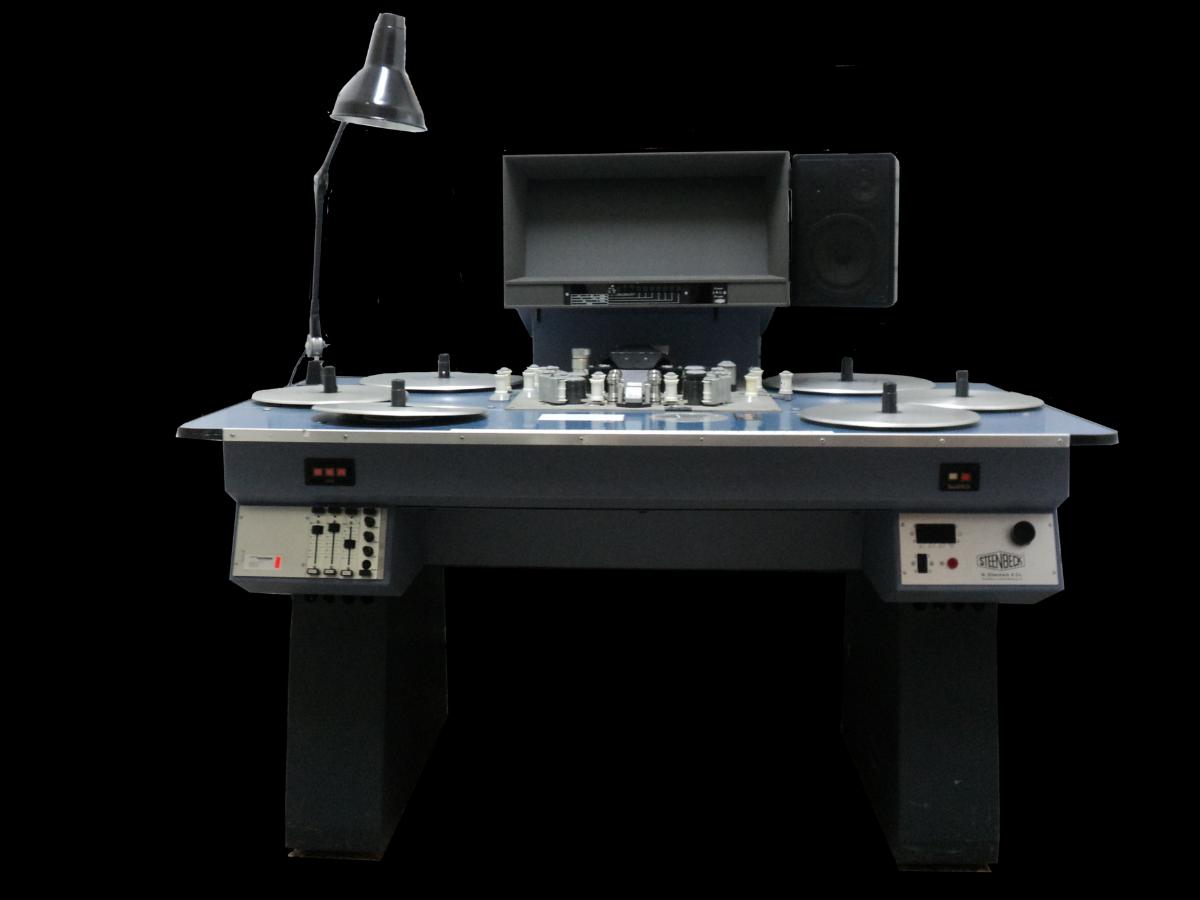
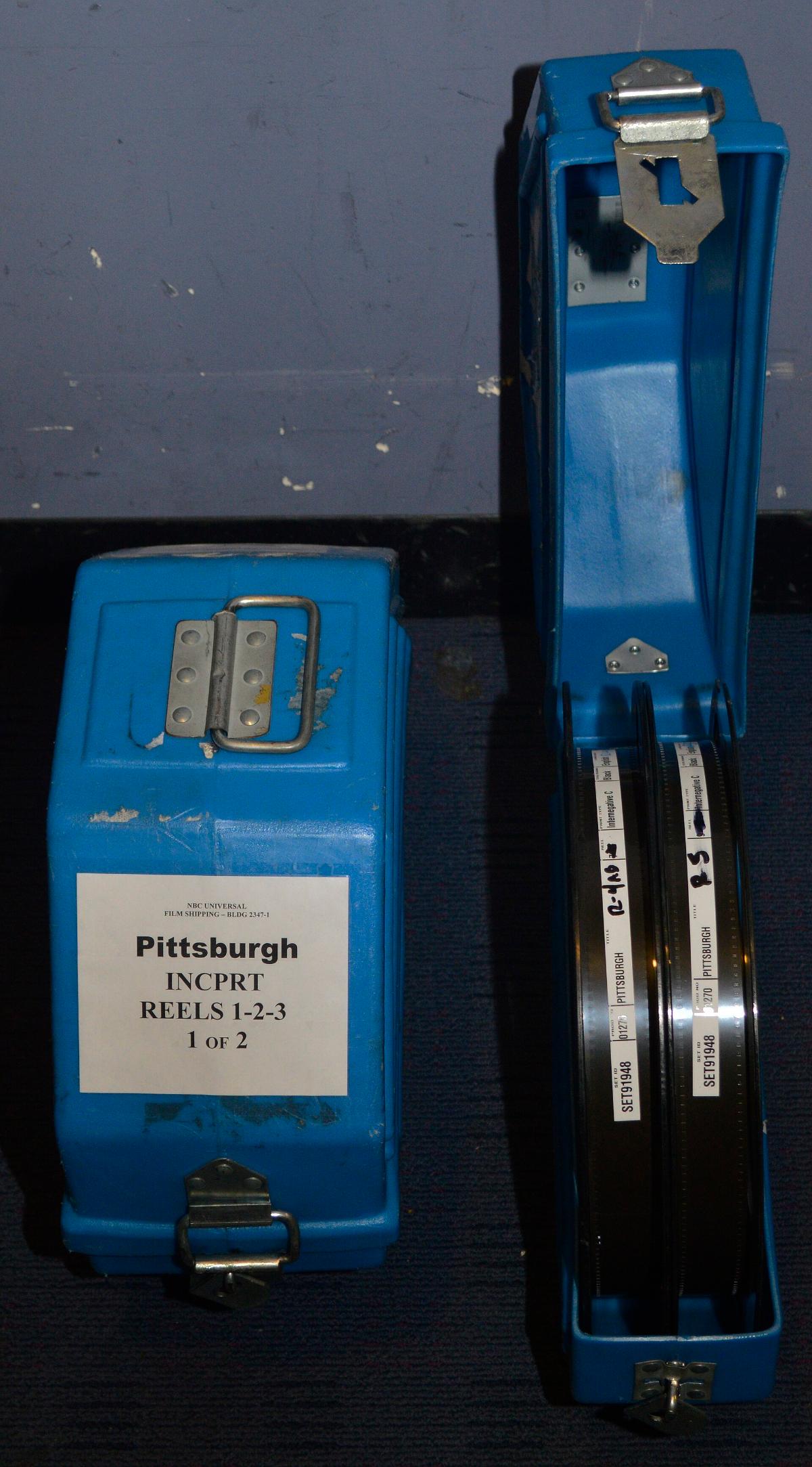
The picture was shot on two formats: 8-perf VistaVision and 4-perf Super 35. Both were printed on 35mm stock at 24 fps, but VistaVision runs horizontally through the gate and uses eight frames per foot against sixteen for 4-perf. The same second of screen time therefore takes twice as much physical film. Film assistant editor Andrew Blustain kept separate conformed work-picture reels for each format, with slugs standing in for the sections shot on the other one, and checked sync on a VistaVision KEM and a 35mm four-plate.
On location, a projectionist travelled with a VistaVision projector so the team could watch prints every night. Jurgensen worked from a binder of setups and takes built from associate editor Jay Trautman's dailies template, marking it up as the rushes played. Trautman generated pull and change lists from Avid so the film conform could follow the digital cut.
Two habits stand out. First, Anderson did not want to see assembled scenes early, according to the interview, unless something was worrying the team, so there were no weekly cuts dressed up with temp sound. Second, music arrived through the director's own channel: Jonny Greenwood sent cues during production, often not written for any particular scene, and Anderson played tracks from his phone through a mixing board during screenings. Trautman kept these in a dedicated bin. For the 25-minute Baktan Cross sequence, Jurgensen reportedly had about ten minutes of Greenwood score to spread across the whole section.
The finished film runs about two hours forty and went out in an unusual spread of formats, from standard digital and Dolby Vision to 70mm IMAX and VistaVision prints. Blustain says the team plattered a VistaVision print, which in the 1950s would have run on changeover projectors; we could not independently confirm the claim that this had never been done before.
Why the method matters more than the medium
Strip out the celluloid and you are left with three structural choices. The whole team watched the material together, at full size, before anyone built a scene. Performance was judged before rhythm, because nobody was looking at a cut yet. And music was a reference the director chose, not a bed the editor laid in to make a rough cut feel finished.
Our view is that the third choice is the one most digital workflows get wrong. Temp music is the fastest way to make an assembly feel good, which is exactly why it is dangerous: it borrows emotion the footage may not have earned, and it locks pace to a track before anyone has decided what the scene needs. The second-biggest mistake is reviewing dailies alone on a laptop. Jurgensen calls the communal screening valuable "first for the technical side", meaning focus and other issues that a 16-inch screen hides. A big image also changes how long a shot can hold before it feels slow.
Five practices to borrow on your next project
- Book one shared dailies session per shoot day. Thirty to sixty minutes, on the largest screen you can get, with the director and DP in the room. A projector and a calibrated output are enough. Keep it to circled takes plus anything someone flags.
- Keep a paper or PDF log while watching. One line per take: performance note, technical note, a mark for favourites. Jurgensen's binder is the model. Notes written while watching with others are more honest than notes written while scrubbing alone.
- Delay the first full assembly of a scene. Build selects reels instead and review those with the director. Agree on performances before you start cutting for pace.
- Quarantine temp music. Keep a single bin of director-approved references, as Trautman did. Cut dialogue scenes dry first; add music only once the scene works without it, and label any cut with temp so nobody mistakes it for a decision.
- Treat format changes as a bookkeeping problem, early. Mixed frame rates, sensors or aspect ratios are the digital equivalent of the 8-perf/4-perf split. Write down the conversion rules on day one, and keep a separate conform check for each source format rather than discovering mismatches at online.
A quick decision rule
If a project has a director who is present during the shoot and more than a week of photography, a shared screening costs less than an hour a day and replaces several rounds of remote review notes later. If the director is absent, send a short selects reel instead of a cut, and ask for performance notes before you build anything. Either way, the order is the same: watch big, agree on performances, then find the rhythm.
The takeaway
The lesson of One Battle After Another is not that film is better. It is that the best decisions on that cut were made collectively, at scale, and before music could flatter the footage. Every one of those conditions can be recreated with a projector, a log sheet and the discipline to cut without temp.