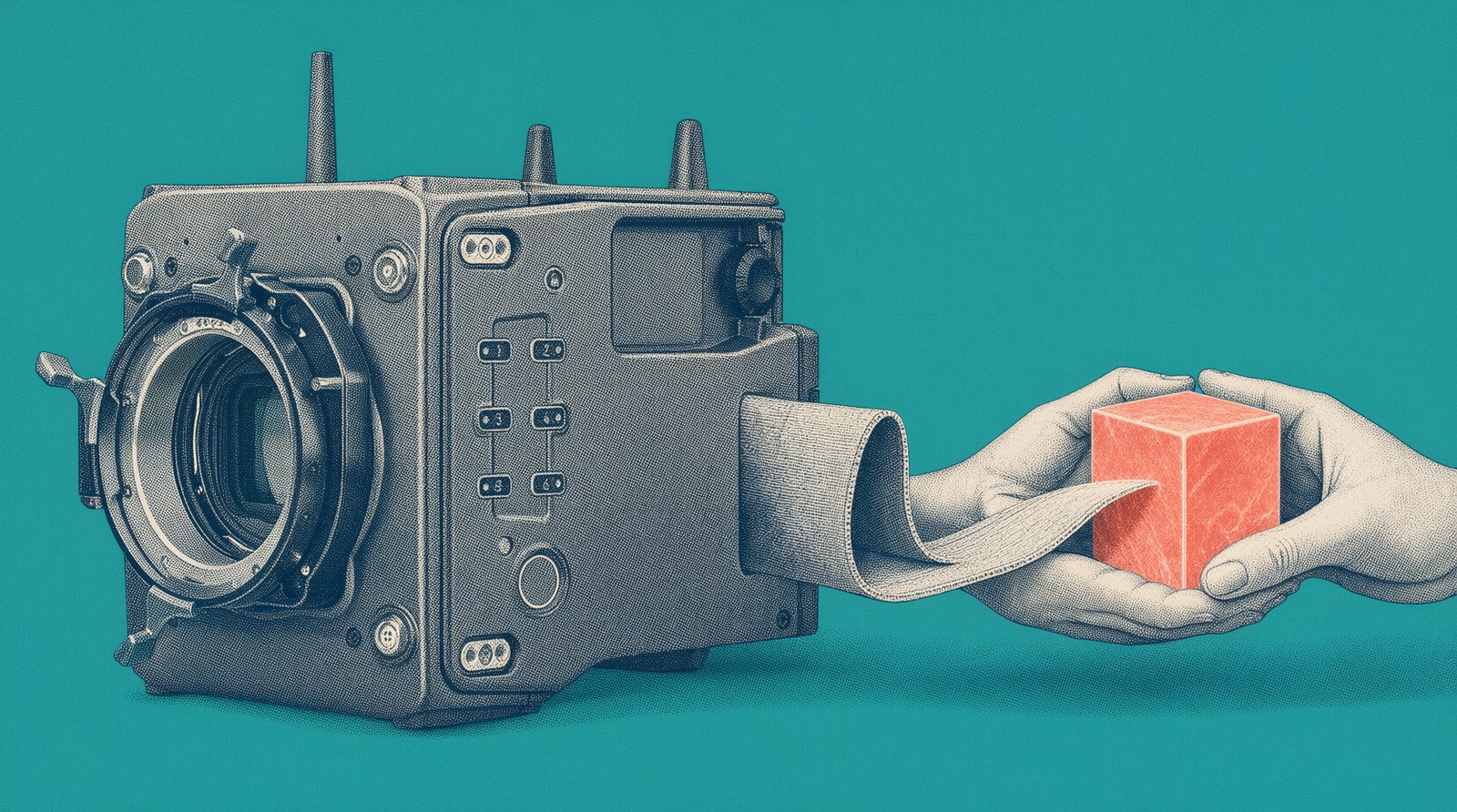
ARRICORE After a Year in Beta: Your NLE Can Open It, So Use It Unless These Apply
ARRICORE halves ARRIRAW data and Resolve, Baselight and Premiere now read it. What 'not baked in' means, storage maths and a codec decision rule.
ARRICORE was sold as "half the data of ARRIRAW" with the beta label attached, and a year on the label is still the first thing people ask about. It is the wrong question. Most of the big grading and editing tools now open ARRICORE; what you actually need to decide is whether a lossy, debayered-in-camera RGB file is the right camera original for your particular job.
Our position: ARRICORE should be the default on ALEXA 35 Xtreme jobs that grade in Resolve or Baselight and do not involve a Nuke-heavy VFX vendor. ARRIRAW is still worth its cost for archive-grade features and shots with heavy shadow lifts. ProRes is for when the files go straight to an edit with no grade. The rest of this piece explains why and gives you a decision rule.
What ARRICORE actually is
ARRI introduced ARRICORE on 31 July 2025 alongside the ALEXA 35 Xtreme. The Xtreme reaches 660 fps in a new Sensor Overdrive mode at 11 stops of dynamic range, or 330 fps with the full 17 stops. Existing ALEXA 35 Base, Premium and Live bodies can be upgraded for €15,900. ARRI said at launch that ARRICORE was "launching in beta". We could not find any later ARRI statement saying the beta has ended, and Newsshooter's listing for ARRI's 2 September 2026 webinar still uses the beta wording.
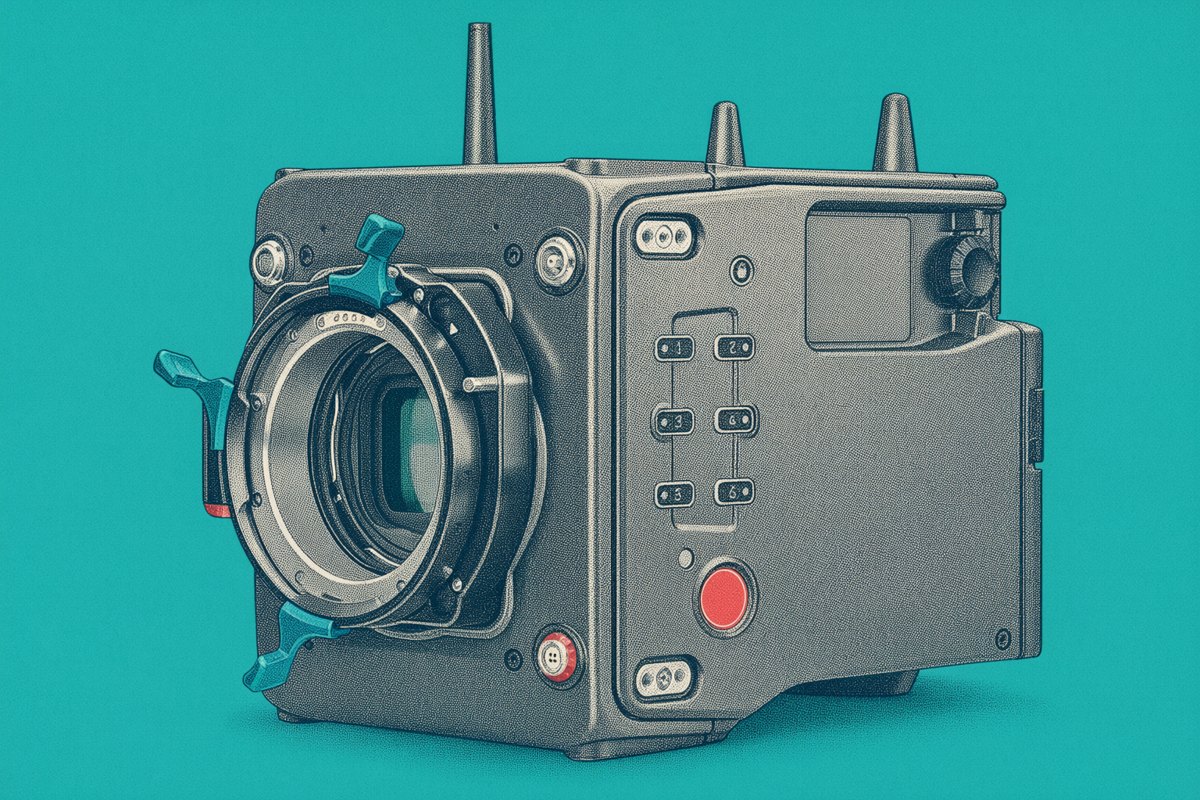
ARRI's ARRICORE FAQ calls it "a de-bayered and compressed RGB recording codec" that is "debayered in-camera". It works only on the ALEXA 35 Xtreme and future cameras; the original ALEXA 35, Mini LF and older models will not get it. It records to the existing 1 TB and 2 TB CODEX Compact Drives, not to the ProRes-only Compact Drive Express, and it uses an MXF wrapper.
What "not baked in" means, and what it doesn't
The pitch is that sensitivity, white balance and tint stay adjustable in post, as they do with ARRIRAW. That is true. But "RAW-like" leaves out three things that matter in the grading suite:
- The debayer is fixed. ARRIRAW lets you redo the debayer later with a newer SDK or a different tool. With ARRICORE, ARRI's in-camera debayer is what you keep.
- It is lossy. ARRI's FAQ says it uses a new compression method for RGB data and keeps compression to the minimum it needs. In Adam Wilt's October 2025 side-by-side test, done at ARRI's invitation, ARRICORE matched ARRIRAW more closely than ProRes 4444 XQ did, and the Camera Raw controls behaved the same on both. The exception was deep shadows, where Wilt saw "faint horizontal striations" and a slight magenta tint.
- Textures are baked in, but that is nothing new: according to Newsshooter's write-up, ARRI Textures are also baked into ProRes and ARRIRAW on this camera.
Colour flexibility is not a difference. ARRI says all three formats are developed to the same LogC4 target by REVEAL, so ARRICORE grades like ARRIRAW in practice.
Storage: what half really means
ARRI and Adobe both describe ARRICORE as about half the size of ARRIRAW and similar to ProRes 4444. Wilt puts it at perhaps two-thirds of ProRes 4444 XQ. ARRI does not publish an ARRICORE bitrate table that we could find, so here is our own estimate, worked through:
- A third-party ARRI data calculator lists ALEXA 35 ARRIRAW 4.6K 3:2 Open Gate at about 4,838 Mbit/s at 25 fps. That is roughly 2.2 TB per recorded hour, or about 55 minutes on a 2 TB drive. We could not check this figure against ARRI's own tables.
- Halve it for ARRICORE: about 1.1 TB an hour, or around 110 minutes per 2 TB drive. This is our arithmetic, not an ARRI number.
- Assume 90 recorded minutes a day (our assumption, so adjust for your own shooting ratio), with three copies of the camera originals. That is about 9.8 TB a day for ARRIRAW and about 4.9 TB for ARRICORE. On a five-day shoot the difference is roughly 25 TB of drives, plus the offload time.
Smaller files do not mean faster playback, though. On an M1 Max laptop, Wilt got 24 fps from UHD ProRes, 12.5 fps from ARRICORE and 10.5 fps from ARRIRAW. ARRICORE is a camera original, not an editing codec, so plan for proxies.
Can your NLE open it? Mostly, yes
The backlog version of this story was "Blackmagic and FilmLight are still working on it". That is out of date. Here is where things stand:
- DaVinci Resolve: Wilt graded his test in Resolve 20.2.1 and 20.2.2, which ship the release ARRI SDK. ARRI's supporting-tools guideline of November 2025 lists Resolve Studio 20.2.3 as supporting it.
- Baselight and Daylight: listed as supported from version 6.0 in the same ARRI document.
- Premiere Pro, After Effects and Media Encoder: beta support arrived on 16 June 2026, and Premiere 26.5 (September 2026) lists ARRICORE compatibility in the release build.
- Avid Media Composer: not natively. ARRI's list routes ARRICORE through the nablet ARRI AMA plugin.
- Final Cut Pro: not listed as supporting ARRICORE.
- Nuke: listed as "work in progress" in November 2025. Check the current release before you promise a VFX vendor camera originals.
- On-set and data tools: Silverstack, CODEX Device Manager, ARRI Reference Tool, Scratch and Flame are all listed as supporting it.
ARRI's list is nearly a year old, so check your exact version before the shoot. The gap that is left is mainly Nuke-centred VFX and FCP houses, and both of those usually work from pulls or proxies anyway.
The decision rule
- Does the edit go straight to delivery, with no grade? Use ProRes. It plays everywhere and the look is already set.
- Is this an archive-grade feature, or a shoot with lots of night exteriors you expect to lift hard? Use ARRIRAW, or shoot a deep-shadow test in ARRICORE first and look at it on scopes, not just on a monitor.
- Does a VFX vendor want camera originals in Nuke? Ask them in writing whether their build reads ARRICORE. If it doesn't, either shoot ARRIRAW or agree to EXR pulls from Resolve or Baselight.
- Is the editor on Avid? Confirm the nablet plugin is installed, or just cut on dailies proxies as usual.
- Everything else, meaning commercials, documentaries, episodic, long takes and high-speed days that eat drives: use ARRICORE. You keep ISO and white balance, you halve your storage, and the image is closer to ARRIRAW than ProRes XQ is.
The beta label matters less than the version numbers in your post pipeline. Check those, run one shadow test, and decide.


