
What an LED Volume Day Really Costs in 2026: New York, London, Milan
Published stage rates overlap across New York, London and Milan. A worked two-day budget shows what actually decides the cost.
Cover illustration generated with AI for Fix It In Post.
Ask three stages for an LED volume day rate and you will get three numbers that look comparable and are not. The day rate is the most visible line on a virtual production budget and rarely the one that decides whether the shoot pays off. What decides it is how much content you have to build and how many setups you shoot against it.
Here is what operators and providers are quoting publicly in 2026 for New York and the US East Coast, London and Milan, followed by a worked two-day commercial budget you can adapt. Every figure in the first table is a vendor or intermediary figure, not an audited market rate.
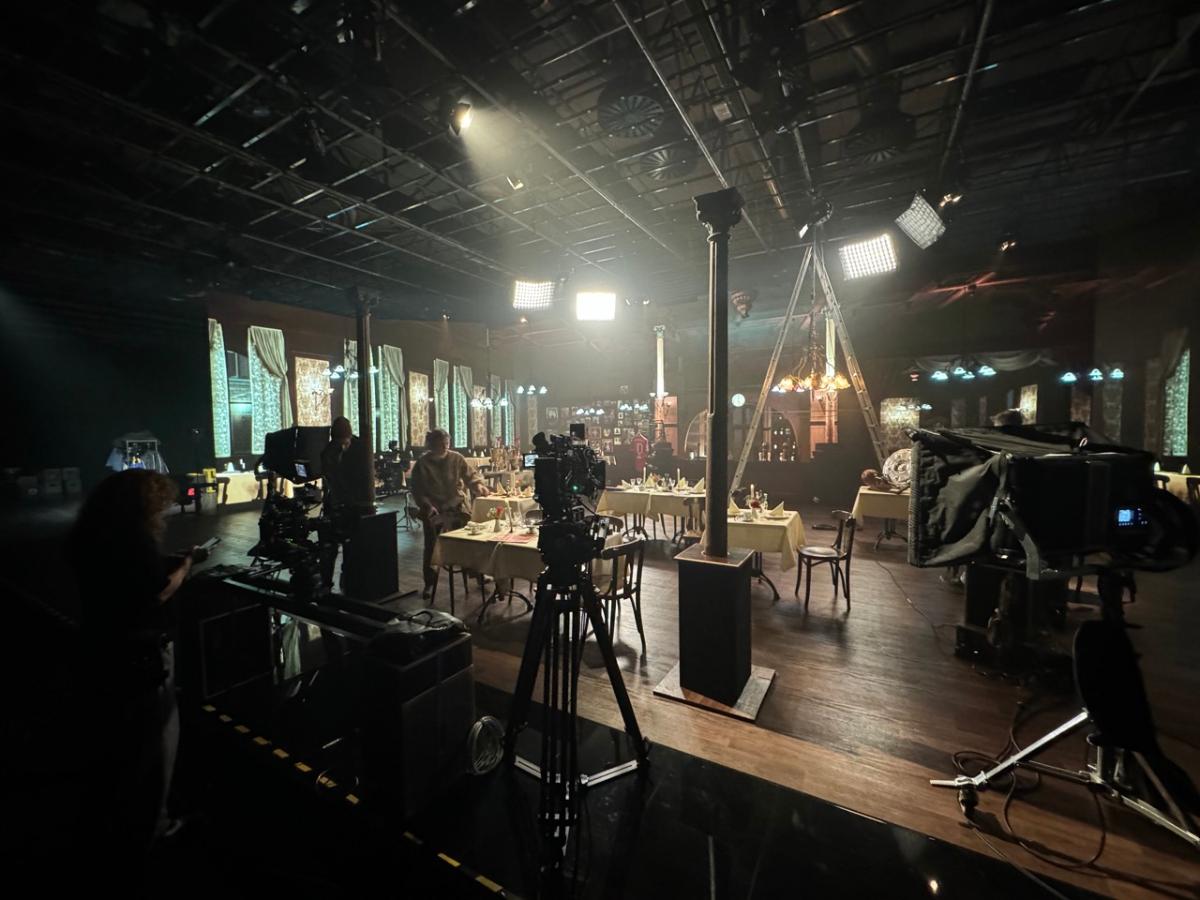
What the published rates say
| Market | Quoted day rate | Who says so | What is included |
|---|---|---|---|
| US East Coast | $5,000–25,000 | Stage operator, Aug 2026 | Panels, media server, basic tracking, lighting grid |
| UK | £3,000–20,000+ | Service provider, Mar 2026 | Varies with volume size, content and crew |
| Italy | €10,000–15,000 | Milan agency, May 2026 | LED wall, tracking, specialist technical crew |
| Large stages, global | $15,000–80,000 | Industry aggregator | Depends on size, panels and services |
The US range comes from a Virginia-based stage operator's guide to East Coast volume rentals, which also prices custom Unreal environments at $3,000 to $15,000 or more and recommends booking three to four weeks ahead, or six to eight in busy periods such as Q4. It says to budget at least one pre-production day at the stage for calibration and testing. These are one operator's numbers for smaller curved walls (10 to 16 feet high), not a New York survey; we found no comparable public rate card from a Manhattan or Brooklyn stage.
For the UK, a virtual production provider's guide quotes £3,000 to £20,000+ per day, and elsewhere in the same piece narrows it to £5,000 to £15,000+. It is candid that a volume is not always cheaper per day, and argues the saving comes from cutting travel, weather delays and permits.
For Italy, a Milan-based agency's article on virtual production for brands puts a complete setup at roughly €10,000 to €15,000 a day, and says the economics tend to favour a volume on projects above about €100,000. Its claim that post time falls by up to 70% against green screen is unsourced, and we could not confirm it. The same is true of an industry aggregator's 2026 overview, which quotes $15,000 to $80,000 a day for larger stages and eight to twelve weeks of virtual art department (VAD) work before principal photography.
Two things follow. The ranges overlap so heavily that the city matters less than the size of the wall and what the quote includes. And none of the published rates include the content you will put on the wall.
The real budget: a two-day commercial, three ways
The table below is our illustrative model, not a quote. It assumes a two-day shoot, three environments, a mid-sized wall and a crew that is otherwise identical across options. Stage and environment figures sit inside the vendor ranges above; the rest are placeholders to replace with your own rates. Currency is shown in a neutral unit so you can apply it in dollars, pounds or euros.
| Line | LED volume | Location | Tracked green screen |
|---|---|---|---|
| Stage or location fees (2 days) | 24,000 | 8,000 | 6,000 |
| Environments / VAD (3 worlds) | 24,000 | 0 | 9,000 (plates or CG) |
| Prelight / test day | 8,000 | 0 | 2,000 |
| Travel, permits, weather cover | 0 | 18,000 | 0 |
| Compositing in post | 3,000 | 2,000 | 22,000 |
| Total | 59,000 | 28,000 | 39,000 |
On these assumptions location wins easily. Now change one variable: the script needs six environments in three countries. Location travel and permits roughly treble (about 72,000 in total), the green screen composite bill doubles (about 70,000), and the volume adds three more custom builds (83,000). The volume goes from more than double the cheapest option to about 20% above it. If four of the six worlds can be adapted from existing environment libraries at around 4,000 each instead of built from scratch, the volume drops to roughly 67,000 and becomes the cheapest option, with no weather risk. The day rate did not change once. That is the whole argument: the decision turns on content and setups, not on the day rate.
A decision rule you can use on the next quote
- Count environments, not days. If you need three or fewer real-world looks that exist within a day's drive, location is usually cheaper. A volume starts to pay when environments are many, remote, impossible or need to be revisited.
- Price the content first. Get the environment build quote before the stage quote. If the content exceeds the stage rental, check whether reusing or licensing existing environments changes the picture.
- Insist on a test day. The East Coast operator's guide recommends at least one pre-production day at the stage. If it is not in the budget, the first shoot day becomes the test day.
- Ask what the rate excludes. Operators for media servers and tracking, overtime, power, VAD revisions and moiré tests are the common gaps.
- Lock the content early. Lead times of three to twelve weeks across these sources are for building and booking. Changes to environments after the tech scout are the most expensive line on the invoice.
The takeaway
New York, London and Milan quote overlapping day rates, and those rates are the least informative number on the budget. Build the comparison around environments, prep time and a test day, and run the same script through all three methods before choosing. A volume earns its keep on complexity, not on price per day.