Sora Is Gone. Build Your AI Video Pipeline So the Model Can Disappear
Sora 2 lasted under a year. What its shutdown teaches about depending on one model, plus a six-step model exit plan for AI-assisted jobs.
Cover illustration generated with AI for Fix It In Post.
Sora 2 lasted less than a year. It launched on 30 September 2025, its app closed on 26 April 2026 and its API went dark on 24 September 2026. If your look, your prompt library or a client deliverable depended on it, you found out the hard way that a model is a supplier, not a tool you own. Our position: build every AI video workflow so that the model can be swapped out mid-project, and never write a specific model into a client contract.
How fast it went
The timeline is worth setting out, because it is shorter than most production schedules:
- 30 September 2025: Sora 2 launches (Wikipedia's summary).
- 11 December 2025: Disney announces a planned $1 billion investment in OpenAI and a three-year licence covering more than 200 characters from Disney, Pixar, Marvel and Star Wars.
- 24 March 2026: OpenAI announces it will discontinue Sora in the consumer app and the API. Its statement, as reported by TheStreet, said that "as we focus and compute demand grows, the Sora research team continues to focus on world simulation research to advance robotics." The Disney deal ended with it, and TheStreet reports that no money ever changed hands.
- 26 April 2026: the web and app experiences close.
- 24 September 2026: the API shuts down, per OpenAI's discontinuation notice.
OpenAI's notice is blunt about what happens to your work. Users could export from a sunset page, and after any final export window, OpenAI says it "will permanently delete any data associated with your use of Sora." If you did not pull your generations and their settings out in time, they are gone.
Why it died, and why that matters to you
OpenAI's official explanation was about compute and focus. The numbers people quote are reported, not official. Kotaku, citing the Wall Street Journal, says Sora was losing roughly $1 million a day according to a person familiar with the matter, and that daily users peaked around one million before falling below 500,000. OpenAI has not confirmed either figure.
The precise numbers matter less than the pattern. Frontier video models are very expensive to run, and the company running one will reallocate GPUs whenever something else pays better. That reasoning has nothing to do with the quality of the model, and no amount of user loyalty changes it. Any model you rely on today could face the same arithmetic tomorrow.
The market is already hedging
The platforms have drawn the lesson faster than many studios. According to a release-notes tracker for Runway, Runway added MiniMax H3 Max to Runway Dev on 3 September 2026 and, on 18 September, made Kling O3 4K, Kling 3.0 Standard, Kling O3 Standard and Kling 3.0 Motion Control available to paid subscribers through its MCP platform. A company with its own models is now reselling its competitors' models. That is an aggregator hedging against any single model disappearing or falling behind. Your pipeline should do the same.
What a model-agnostic pipeline looks like
The principle is simple: the model generates raw material, and everything that defines the finished piece lives outside the model, in files you control.
- Your look lives in the grade, not the prompt. Generate as neutral as the model allows, then build the look in your colour pipeline with a LUT or node tree you own. When you change models, you re-match the inputs and keep the look.
- Your characters live in reference frames. Keep a locked reference set of front, three-quarter and profile shots, wardrobe and product, as image files. Any model that accepts image references can then pick up the job.
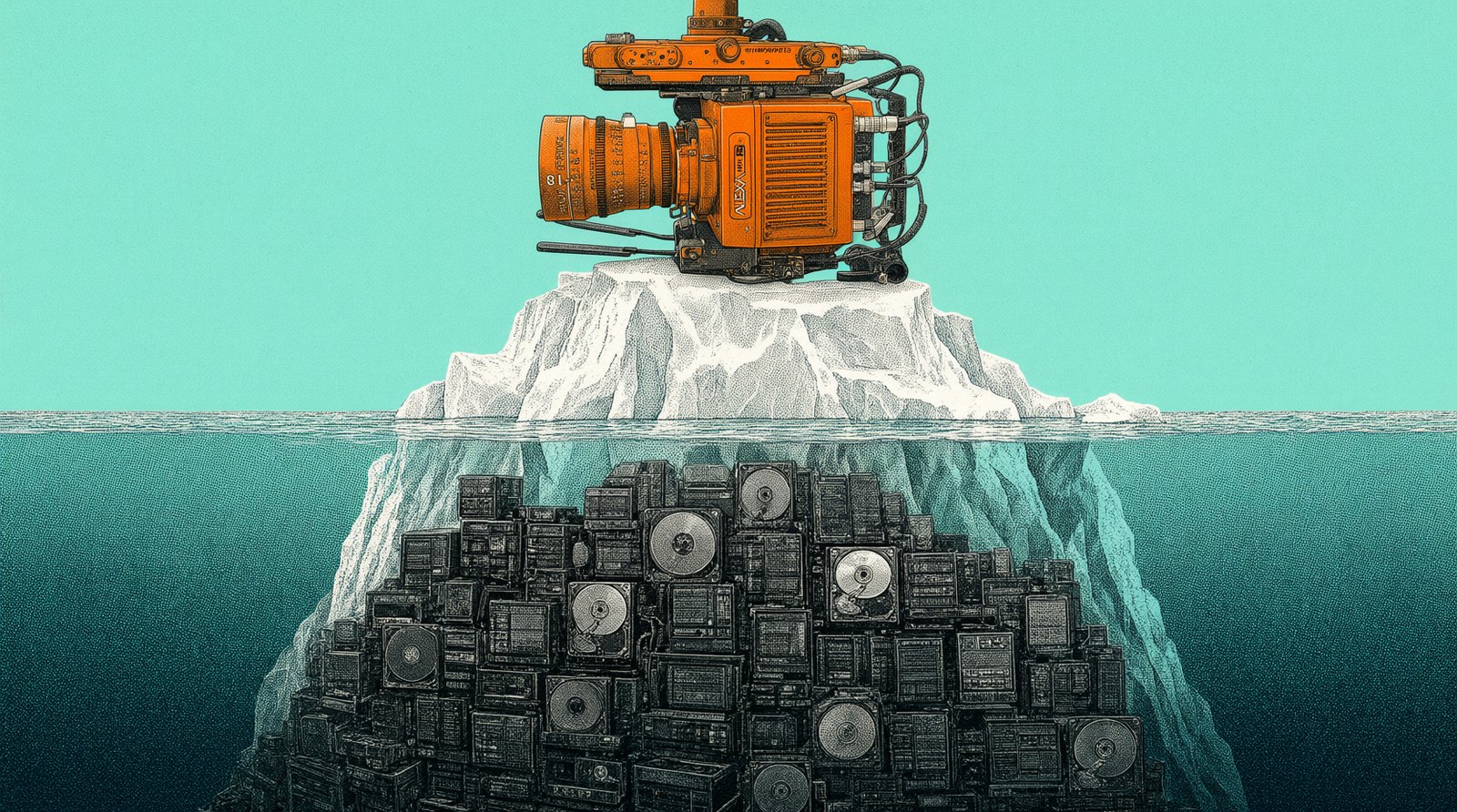
- Your shots live as editable plates. Export every keeper at the highest resolution the service offers, along with handles, and archive it with the project as if it were camera original. Do not leave masters in a vendor's library.
- Your prompts live in a log. For every keeper, record the model name and version, the date, the full prompt, the seed if one is exposed, the settings and the reference files used. You will never reproduce a shot exactly on a different model, but a good log lets someone else get close in an afternoon instead of a week.
The model exit plan
Run this checklist at the start of every AI-assisted job, not when the shutdown email arrives.
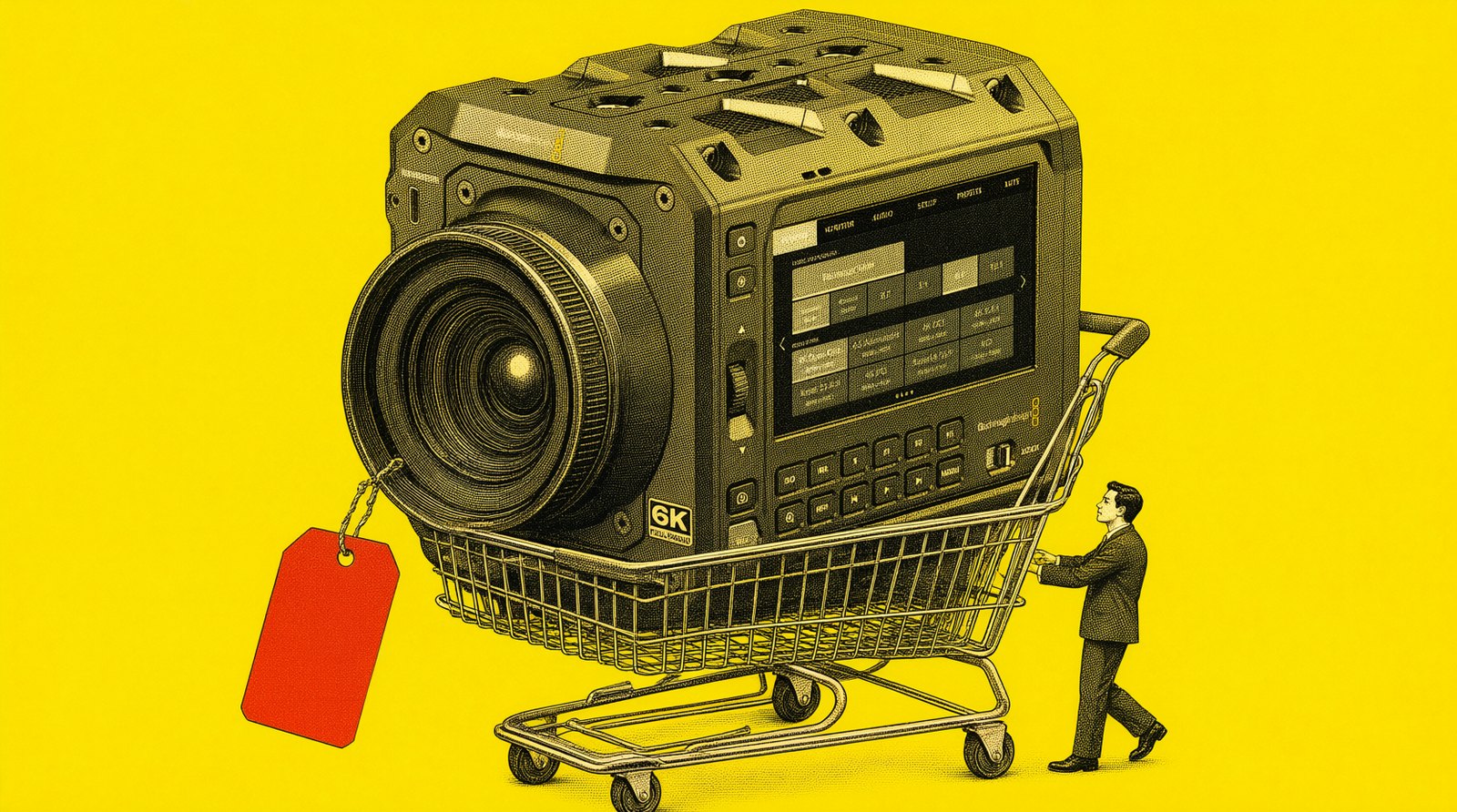
- Name a second model. Before production, test your key shots on a fallback model and note what changes. If nothing comes close, the risk goes in the estimate.
- Export as you go. Download keepers and their metadata the day you approve them. Treat the vendor's gallery as a cache, not storage.
- Keep the contract model-neutral. Promise the client an outcome (resolution, length, style frames they approved), never "made with Model X". Make sure the rights and indemnity terms you give the client do not depend on one vendor's terms of service staying the same.
- Price the switch. Add a line for re-generation if a model is withdrawn mid-project. In our experience a reasonable allowance is 15 to 25% of the generation and operator budget. That figure is our working assumption, not an industry standard.
- Watch the notices. Subscribe to the deprecation and status pages of every model in use. Sora's API shut down five months after its app did, and that gap was the only warning many developers got.
- Archive at wrap. Close every job with plates, references, prompt log, grade and project file in your own storage. If you cannot rebuild the piece without logging in to someone else's service, the job is not archived.
None of this is anti-AI. It is the same discipline we already apply to fonts, music licences and plugins: assume the supplier can vanish, and make sure the work does not vanish with it. Sora will not be the last model to go. As of today, plenty of production workflows still treat the current favourite as permanent.