One Film, Three Aspect Ratios: How "Sinners" Was Framed for 1.43, 1.90 and 2.76 at Once
Sinners shipped at 1.43, 1.90 and 2.76:1. The centre-framing method behind it, the extraction maths, and a common-box checklist for your cut-downs.
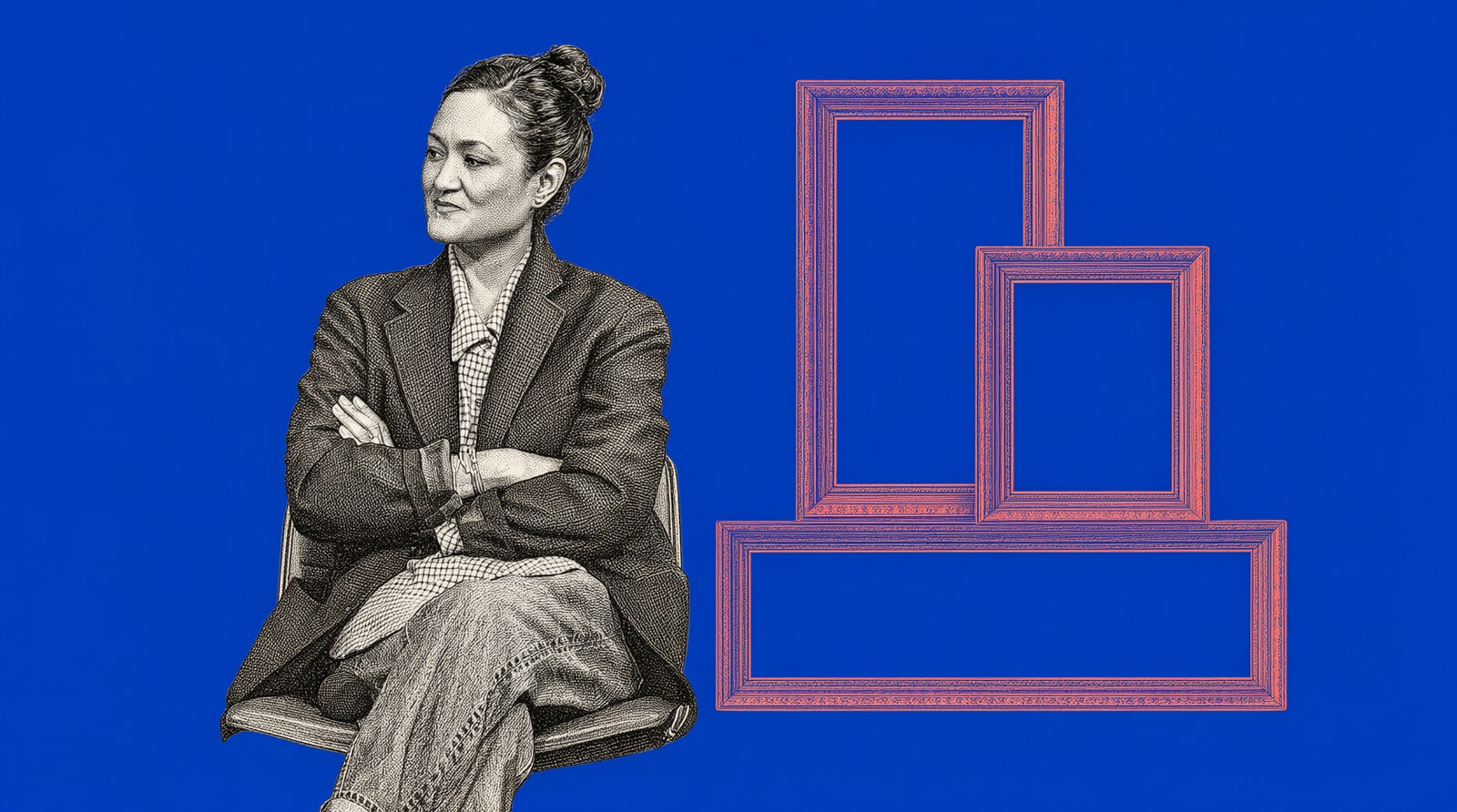
Cover illustration generated with AI for Fix It In Post. Portrait based on a photo by Kevin Paul, CC BY 4.0, via Wikimedia Commons.
"Sinners" was released at 1.43:1, 1.90:1 and 2.76:1, and most of its audience saw the version that keeps barely half the height of its IMAX frames. What made that work was not a clever extraction pipeline but an old habit: put what matters in the centre. That habit, together with some simple arithmetic about how much of the frame each ratio keeps, is the most useful framing lesson for anyone who delivers more than one shape.
What "Sinners" actually did
The production facts, from American Cinematographer's feature on Autumn Durald Arkapaw's work:
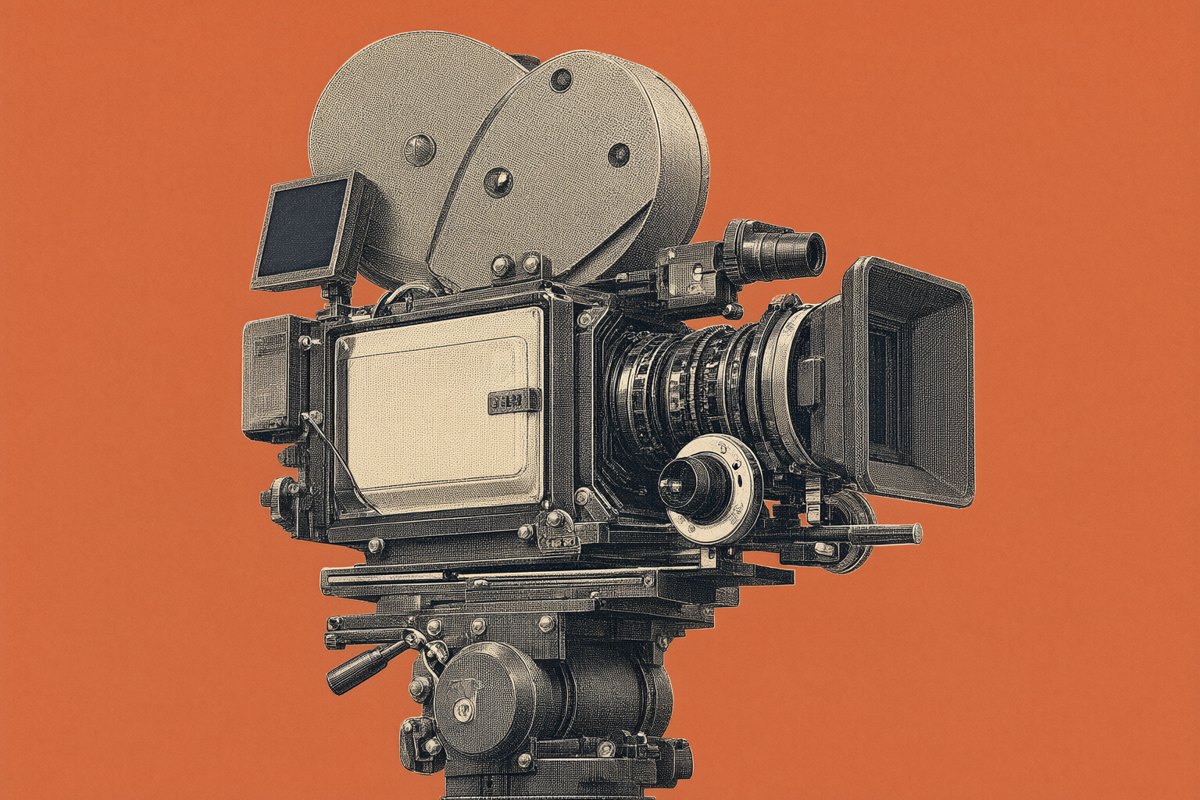
- Most of the film was shot in Ultra Panavision 70 (5-perf 65mm, 2.76:1). About 20% was shot in 15-perf 65mm IMAX. It was the first time the two formats had been combined on a feature.
- It was released in three ratios: 1.43:1 on IMAX 70mm prints, 1.90:1 in digital IMAX, and 2.76:1 in standard cinemas.
- The main stock was Kodak Vision3 500T 5219, rated at 500, with some 65mm Ektachrome 100D for handheld scenes. Kostas Theodosiou graded the DI at FotoKem.
The IMAX material was not random. According to RedShark's explainer, scenes of emotional, musical or horror intensity went to IMAX "to let the image expand." Digital screenings outside IMAX stayed at 2.76:1 throughout. Durald Arkapaw explained to the ASC how that was made to work: "I like to frame actors and what's most important in the center, which worked to my benefit in post, when we reframed the Imax image for 2.76:1. Most moviegoers will see it that way." In March 2026 she became the first woman to win the Oscar for cinematography.
Look at the last sentence of that quote. The version most people would see was cut from a frame designed for a different ratio, and the composition was planned to survive that.
The arithmetic of extraction
The numbers below are our own calculations, not figures from the production. When you extract a wider ratio at full width, the share of height you keep is the source ratio divided by the target ratio. For a narrower ratio at full height, the share of width you keep is the target divided by the source.
- 1.43 to 1.90: keeps 75% of the height.
- 1.43 to 2.76: keeps 52% of the height. Nearly half of every IMAX frame is gone in a standard cinema.
- 16:9 to 2.39: keeps 74% of the height.
- 2.39 to 16:9: keeps 74% of the width.
- 16:9 to 4:5: keeps 45% of the width.
- 16:9 to 9:16: keeps 32% of the width.
Our rule: once any deliverable keeps less than about 60% of a dimension, centre framing stops being a style and becomes the only composition that survives. "Sinners" went to 52%. A typical commercial delivering 16:9 plus 4:5 plus 9:16 goes well below that.
Find the common box
The useful idea is not "frame centrally". It is "frame inside the area that every deliverable shares". To find that box, take the narrowest width and the shortest height across all your deliverables, both centred in the capture frame.
Here is a worked example (our numbers): a UHD 3840×2160 capture delivered as 2.39:1 (3840×1607), 4:5 (1728×2160) and 9:16 (1215×2160). The common box is 1215×1607, roughly a 3:4 portrait rectangle covering about 24% of the frame. Faces, product and the hand doing the action need to be in that box at the moments that matter. Everything outside it is decoration that some versions will lose.
That is the "Sinners" logic at commercial scale. The wider and taller versions are where the image expands: sky, crowd, set, the scale Coogler used IMAX for. The meaning of the shot lives in the shared area.
Name a hero ratio and design for it
Durald Arkapaw knew which version most people would see. Do the same on every multi-deliverable job.
- Hero ratio: the version most of the audience will see. For a paid social campaign, that is probably vertical, not the 16:9 film the client's board approves.
- Capture ratio: the largest frame you can record, such as open gate or a taller sensor mode. It gives every extraction room to move.
- Expansion ratios: everything bigger than the hero. Compose these for atmosphere, not for information.
If the hero ratio is the narrowest one, as 2.76:1 was for most "Sinners" viewers, check the hero frame line on the monitor first and the full frame second.
Build a timeline that expects reframing
"Sinners" reframed in post, shot by shot. Centre framing made that a nudge rather than a rescue. To get the same result:
- Put every deliverable's frame line on the monitor, plus the common box. If the monitor only takes two lines, use the hero line and the common box.
- Plan moves instead of off-centre compositions. When the hero version needs the subject on a third, block it so the subject crosses the common box at the key beat.
- Grade the full capture frame. Grade edge to edge so the expansion versions don't reveal ungraded edges, and track power windows and vignettes to the subject, not the frame. A vignette shaped for 16:9 looks wrong in 4:5.
- Make one timeline per ratio, with per-shot repositioning. Let auto-reframe make a first pass if you like, but an editor should approve every shot.
- Use separate graphics templates for each ratio, designed around the common box.
- QC each ratio as its own film. Watch it all the way through. Problems at 52% of the height don't show up when you scrub the master.
The checklist
- List every deliverable ratio before the shoot, not in the edit.
- Calculate the common box and mark it on the monitor.
- Name the hero ratio and frame for it first.
- Keep faces, product and key action in the common box at the key moments.
- Use the extra area for scale and atmosphere, never for information.
- Grade the full frame, and track windows to the subject.
- Reposition per shot, per ratio, and watch every version in full.
A film that is projected three ways and shot on two incompatible 65mm formats won its cinematographer an Oscar. Your 16:9, 4:5 and 9:16 cut-downs are a much smaller version of the same problem.